Jul 27, 2011 | Education
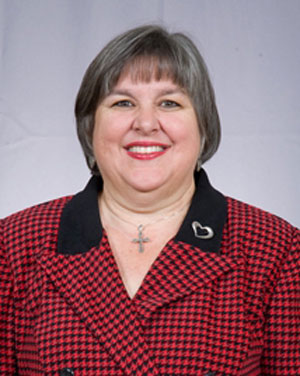
 With 30 years of teaching experience, Karolyn Mossman knows what works in the classroom. Yet the Kalama Intermediate School teacher says that what happens outside of the classroom — at home — can really make a difference in the academic success of students. Parents and guardians can help by showing they care about their children’s school work and by creating a home environment that sets them up for success.
Keiki thrive on consistent routines, she says. “Bedtime, meal time, study time and leisure time are essential for most children,” Mossman says. “It also means building in adequate time for eating and resting. Sleep is a regenerative process. Children’s brains need rest for learning, retaining, thinking and using all the information we want them to take in.” She also recommends parents try to free their children of distractions, like television, and check on homework. However, says Mossman, “They don’t have to get everything right all the time. Avoid the temptation of doing it for them. If they rush through it at home without effort, correct them by focusing on the effort, not on the product. “If they have no homework, or say they have no homework, have them read, or write a journal entry for an age-appropriate period of time — TV off, video games not allowed. Get them into the routine of completing an academic task at home for a specified period of time daily.”
As students head back to school, Mossman recommends checking their backpacks daily during the year for notes from teachers. “Communication is best when both the family and the school can share perspectives and collaborate for the student’s best progress,” says Mossman, a longtime leader in the Hawaii State Teachers Association. She reminds parents and guardians not to forget about their child’s stomach. “Eating properly increases your children’s wellness and school success,” she says. “Worry less about weight than about healthy food habits.”
Jul 22, 2011 | Community
 As one of Maui’s last surviving mom-and-pop stores, Pukalani Superette contributes to the island’s economic sustainability by providing a local alternative to supermarkets and chain stores, buying from island suppliers and providing jobs to Upcountry residents. “Sumiko Nakashima ran the Superette from 1965 to 1990 and always passed the discounts offered from the vendors down to the customer,” says co-owner Myles Nakashima. “We still do this, which is why our prices are very competitive.”Originally called Tanizaki Store, the establishment has its roots in Maui’s plantation past, opening in 1924.
“You can tell our store was built in a time of small towns and plantation camps,” says Nakashima, who owns the business with his brother, Aric. “Our store has approximately 3,300 square feet of sales area and about 1,200 feet of kitchen prep area. The inside is homey with raw wood interior paneling, friendly cashiers and chances are you will run into somebody you know with our prepared foods in hand.” The Superette is known for the potato macaroni salad created by the owners’ mother, Sumiko Tanizaki Nakashima and an aunt. The business buys many of its goods from local vendors, such as island fresh fish, backyard limes 15 pounds of limes at a time or Lahaina pickled mangoes.
Myles Nakashima said the business is also looking to remain competitive in the future by continuing its mission to provide customers with a clean, safe shopping environment, offering the best products available at a reasonable price. “My vision is to have a healthier line of prepared foods, maybe a salad bar and a hot foods bar with soups,” he says. “I believe the future of Pukalani Superette hinges on remaining competitive. Since the economic downturn, most businesses are only now starting to emerge with decent profits. Events that occur thousands of miles away directly affect all of us,” Nakashima adds.
Jul 13, 2011 | Environment, Sustainability
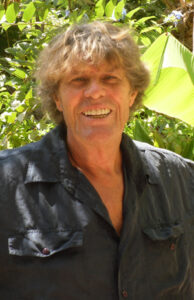 Tucked away in the hot, arid hills above Kihei is a model organic oasis which Nick Oosterveen and his wife Diane have been cultivating since 1987 called Kaimanu Botanical Garden. With generations of agriculture knowledge passed down through his family and a passionate interest in permaculture, Oosterveen has perfected a self-contained ecosystem that epitomizes a “zero-waste” philosophy. Not only does his sustainable farm boast a fertile collection of many exotic vegetables, herbs, fruit, and flowering plants and trees—creating what Oosterveen calls a “food forest”—but it also contains an aquaponics system, in which he raises tilapia and plants together in one integrated, soilless system that utilizes a fraction of the water it usually takes to grow the same crops. And being vegetarians, the Oosterveens eat as much as possible from their own land. “The only food I buy from the grocery store is dairy products,” he declared.
Nick Oosterveen is originally from Holland, but moved to Hawaii nearly 30 years ago after a long career in the music industry in Los Angeles. Since then, he has been whole-heartedly committed to the education, promotion, and development of sustainable living through the sharing of information and creating self-sufficient ecosystems. Oosterveen volunteers to teach Maui students and residents about growing their own food which will help decrease the island’s dependence on imports. “Sustainable food production is going to be one of the key issues this island will face in the future, and with this approach, you can raise a lot of food even in very little space,” adds Oosterveen.
Oosterveen welcomes visitors to learn through hands-on workshops every second Saturday of the month. Topics include: Sustainable Living, Permaculture, Food Forests, Aquaponics, Healing Foods, and more. He offers student tours and classes to any Maui School wanting to participate. For reservations or to schedule private educational tours, send an email to nikodesigns@hawaii.rr.com, or call (808) 250-5113.
Jul 7, 2011 | Community
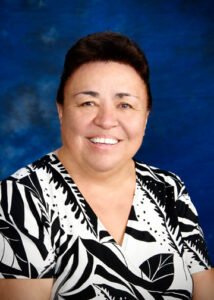 Continuing our series on newly appointed County Department Directors, reflecting the role of government in responding to community values and needs.
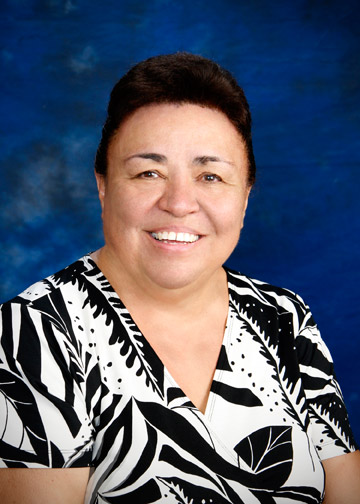
The Maui County Department of Housing and Human Concerns provides island residents with assistance in all stages of their lives, says Director Jo-Ann Ridao. “I often refer to my department’s operations as being from the womb to the tomb,” she said. That’s because the department has seven divisions, covering housing, early childhood, immigration services, grants management, the county’s Volunteer Center, Kaunoa Senior Center and the Office on Aging. “My philosophy is to address the needs of a broad range of our community members. An important aspect of my role is to mentor my division heads and facilitate the great work they do,” Ridao said. “I’m the kind of person who enjoys being a mentor.” For Ridao, her department’s priorities are to address the community’s needs for food, shelter and safety.
As budget constraints and limited funding resources present an increasing challenge, the government will need to develop more partnerships and new ways to address human needs, says Ridao. Part of the solution, she believes, is engaging all segments of the Maui Nui community — from unions to churches to businesses — to support the mission of Housing and Human Concerns. “We need to build even further on our tradition of aloha, caring for each other in our community, and volunteerism.” Continuing to provide affordable housing is another community priority close to Ridao’s heart.
A former director for Lokahi Pacific, an independent, private non-profit housing and community development organization based in Wailuku, Ridao has extensive experience in addressing human needs and concerns, and among her accomplishments is selection as a participant in nonprofit management program at Harvard University in Cambridge, Mass. She was born at the Maluhia Hospital in Wailuku and graduated from St. Anthony High School. The rewards of her job are plentiful, she said. “To see immigrants relieved because their paperwork is in good shape seniors getting the support they need and the new first-time homebuyer who moves in to their their home, all of that is wonderful to see.”